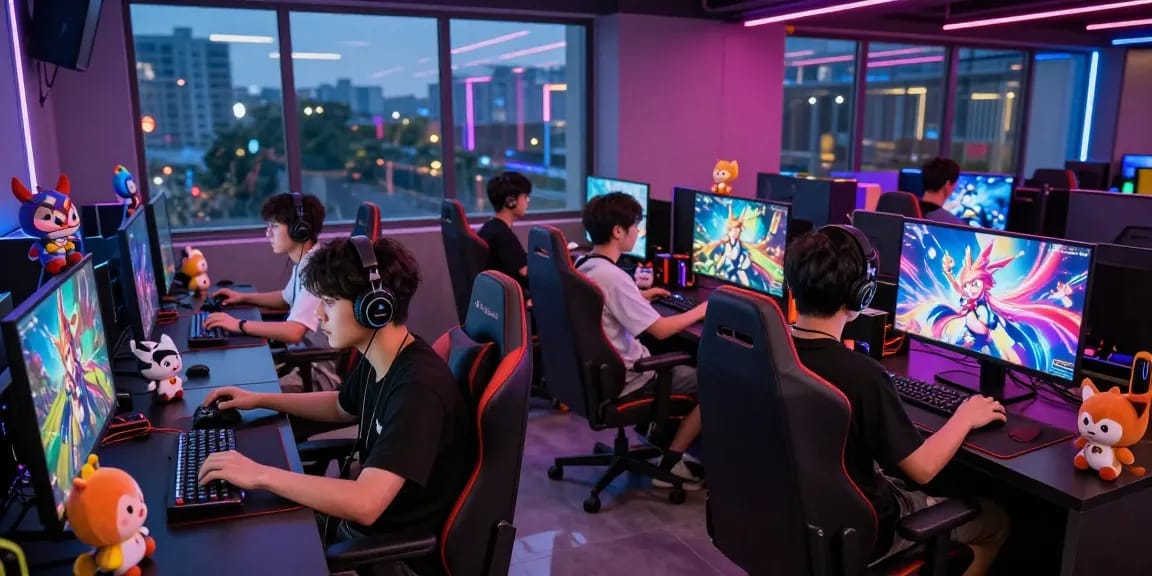
The Rise of Gacha Games in 2026
As we step into 2026, the gaming landscape is undergoing significant transformations, with gacha games leading the charge in popularity and player engagement. These games, which utilize a lottery-like mechanism to reward players with in-game items, characters, or currency, have captivated a diverse audience. This article delves into the intricacies of gacha mechanics, market trends, and player demographics, offering insights that developers, marketers, and gamers alike will find valuable. For those looking to stay updated with the latest in gacha games, gacha168 provides comprehensive insights into current trends and popular titles.
Understanding the Gacha Mechanism
The core of gacha games lies in their unique monetization strategy, which closely resembles traditional capsule-toy vending machines. Players spend in-game currency—often real money—to "pull" for items, which are usually categorized by rarity. This mechanic creates excitement and anticipation, as players never know what they will receive. Understanding this gacha mechanism is crucial for developers aiming to create games that retain player interest while offering fair monetization practices.
Gacha mechanics can be broken down into several key components:
- Randomization: Each pull is random, creating a sense of surprise that can lead to addictive play.
- Rarity Levels: Items are categorized into tiers such as common, rare, and ultra-rare, which increases the thrill of acquisition.
- In-Game Currency: Players can earn or purchase currency to participate in pulls, dictating the game's economy.
- Limited-Time Events: Special events often feature exclusive items, incentivizing players to participate regularly.
Market Trends and Popular Titles
The gacha game market has witnessed explosive growth in recent years, spurred by trends such as mobile gaming, social interactions, and community engagement. In 2026, titles like "Genshin Impact," "Fate/Grand Order," and "Arknights" continue to dominate the market, offering expansive worlds and immersive storytelling that keep players returning for more. The combination of stunning graphics and engaging narratives helps these games retain a loyal player base while attracting newcomers.
Another significant trend is the rise of cross-platform play, allowing users to engage with their favorite gacha titles across different devices seamlessly. This accessibility is crucial, as it aligns with the lifestyle of modern gamers who expect flexibility in how they play.
Demographics of Gacha Game Players
Understanding who plays gacha games is essential for developers and marketers. The demographics reveal a diverse player base, ranging from teenagers to adults, with a notable skew towards females in certain titles. According to recent studies, approximately 45% of gacha game players are female, a significant increase from previous years, indicating a shift in the types of games that are appealing to women.
Additionally, these games attract a global audience. Major markets include Asia, North America, and Europe, with Asian countries leading in both development and player engagement. The generational aspect is also interesting; millennials and Gen Z constitute a large portion of players, drawn in by the social aspects of gaming combined with collectible mechanics.
Effective Strategies to Enhance Player Engagement
Incorporating Community Features
Building a robust community around gacha games can greatly enhance player engagement and retention. Features like forums, chat systems, and social media integrations allow players to connect, share experiences, and discuss strategies. Developers are increasingly recognizing the value of fostering these communities, as they not only enhance player satisfaction but also provide valuable feedback for future game updates.
Leveraging In-Game Events and Rewards
In-game events are a powerful tool for keeping players engaged. Regularly scheduled events can introduce new characters, limited-time challenges, and exclusive rewards, creating a sense of urgency and excitement. Developers should ensure that these events are varied and cater to different player skill levels to maximize participation.
Offering rewards that are meaningful and relevant to the players can transform casual players into devoted fans. Integrating community feedback into these rewards can amplify their effectiveness, as players feel a connection to the development process.
Analyzing Player Behavior and Feedback
Data analytics plays a crucial role in enhancing player engagement. By tracking player behavior, including spending patterns, game mechanics usage, and drop-off rates, developers can identify areas for improvement. Regularly soliciting player feedback through surveys and community discussions enables developers to make informed decisions that align with player expectations.
Creating a feedback loop where players see their suggestions being implemented can significantly boost satisfaction and loyalty. Players are more likely to invest time and resources in games where they feel heard and valued.
Monetization Techniques in Gacha Games
Understanding Microtransactions and Their Impact
Microtransactions are the backbone of gacha games, generating significant revenue for developers. However, they come with challenges, particularly regarding perceptions of value and fairness. Understanding how to implement microtransactions ethically is crucial for building a loyal player base.
Developers should carefully balance the game’s economy, ensuring that it remains engaging without feeling overly exploitative. Strategic pricing and the introduction of free-to-play elements can help alleviate concerns regarding pay-to-win mechanics.
Best Practices for Ethical Monetization
Ethical monetization practices are essential in maintaining player trust. Here are some best practices:
- Transparency: Clearly communicate the odds associated with in-game purchases.
- Value for Money: Ensure that purchases feel worth the investment; players should feel that they are receiving something valuable.
- Limit Excessive Spending: Implementing spending limits or cooldowns can prevent potential financial issues for players.
Real-World Case Studies of Successful Monetization
Examining successful gacha games provides valuable insights into effective monetization strategies. For instance, "Genshin Impact" has skillfully blended free-to-play mechanics with microtransactions that feel non-intrusive. They offer a well-designed game progression that allows players to enjoy content without necessitating purchases, creating a balanced environment where players feel encouraged to make microtransactions without pressure.
Challenges Facing Gacha Game Developers
Addressing Pay-to-Win Criticisms
Despite their popularity, gacha games often face scrutiny for pay-to-win (P2W) mechanics, where players can gain unfair advantages through monetary purchases. To address these criticisms, developers must ensure that gameplay rewards are not solely tied to financial investments. Creating a balanced system that rewards skill and time invested in the game will help mitigate these concerns and foster a positive community perception.
Regulatory Considerations in Different Markets
As gacha games gain popularity worldwide, developers must navigate a complex landscape of regulations. Different countries have varying rules regarding gambling and loot boxes, which can affect how gacha mechanics are implemented. It’s essential for developers to stay informed about these regulations to avoid legal complications and ensure compliance in their target markets.
Maintaining Player Retention Amidst Competition
The gaming industry is fiercely competitive, with new titles emerging daily. To maintain player retention, developers must continually innovate, offering fresh content, updates, and improvements based on player feedback. Additionally, implementing loyalty programs or referral incentives can help keep players engaged and encourage them to bring their friends into the gaming community.
The Future of Gacha Games: Innovations and Predictions
Emerging Technologies Shaping Gameplay
As technology evolves, so too do the possibilities for gacha games. Emerging technologies such as augmented reality (AR) and virtual reality (VR) are set to transform gameplay experiences, offering immersive environments where players can interact with characters and objects in new ways. Blockchain technology is another area that could revolutionize gacha games, allowing for true ownership of in-game items and greater transparency in transactions.
Community-Driven Game Development
Community input is becoming increasingly important in the game development process. Developers are beginning to realize that involving players in decision-making processes—even if through beta testing and feedback forums—can lead to more successful game designs. This approach not only builds loyalty but also results in games that resonate better with the player base, leading to higher engagement and retention rates.
Future Trends to Watch in 2026 and Beyond
As we look ahead, several trends are likely to shape the future of gacha games:
- Greater Personalization: Players will increasingly expect games to offer personalized experiences based on their behaviors and preferences.
- Cross-Platform Play: The demand for games that can be played across different devices will continue to grow.
- Increased Focus on Ethics: Developers will need to prioritize ethical monetization practices more than ever to maintain trust with their player base.
What are the most popular gacha games to play?
In 2026, popular gacha games include "Genshin Impact," "Fate/Grand Order," and "Arknights," each offering unique gameplay mechanics and narratives that captivate players across the globe.
How do gacha games retain their players?
Gacha games retain players through regular updates, engaging community features, and strategic in-game events that provide meaningful rewards and challenge players to excel.
What ethical considerations should developers keep in mind?
Developers should prioritize transparency in monetization practices, ensure that in-game purchases are fair, and provide players with sufficient non-monetary opportunities to progress within the game.
What new technologies are influencing gacha gameplay?
Emerging technologies such as augmented reality (AR), virtual reality (VR), and blockchain are set to influence gameplay, providing more immersive and engaging experiences for players.
How can communities influence the development of gacha games?
Communities can shape gacha game development by providing valuable feedback and participating in beta testing, leading to more responsive game design that meets player expectations and enhances overall satisfaction.